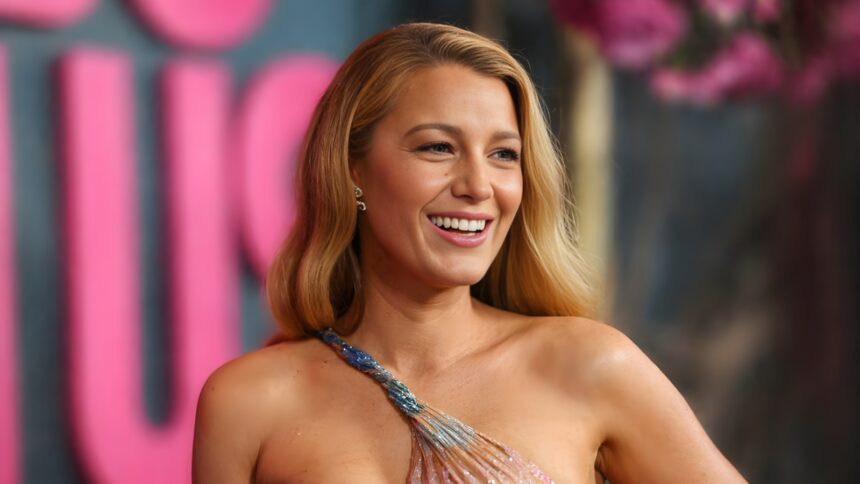


Blake Lively is speaking out in a big way. In new court filings, she says a wave of negative labels seriously damaged her reputation—and her wallet.
According to documents, Lively claims she lost tens of millions of dollars after being labeled things like “mean girl,” “bully,” and “tone deaf” during an ongoing dispute with Justin Baldoni’s production company. She believes this image didn’t just hurt her public perception—it also affected her career and business opportunities.
The actress is now seeking damages ranging from $142 million to nearly $300 million. She says the impact came from what she describes
as a targeted PR campaign by Baldoni’s company, Wayfarer Studios, along with another production group involved in It Ends With Us.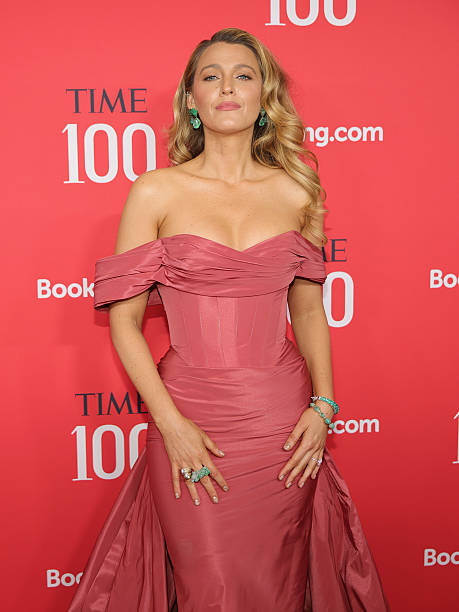
In her filing, Lively breaks down how she reached these numbers. She claims that millions of online impressions tied to negative labels caused reputational harm worth up to $40 million. On top of that, she says she lost major acting and producing roles, endorsement deals, and public appearances.
She estimates losing up to $90 million from big studio film opportunities alone. Smaller film projects, TV roles, and endorsements also add up to millions more in missed income. Her business ventures took a hit too. She says her beauty brand and other companies lost cash flow and potential royalties because of the damage to her name.
Lively is also asking for a smaller amount—between $250,000 and $400,000—for emotional distress, including humiliation and physical stress tied to the situation.
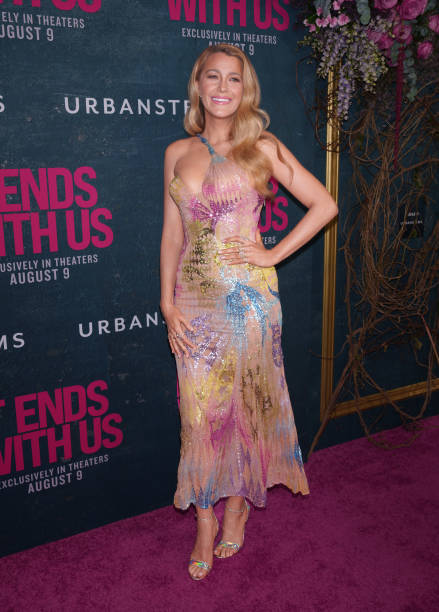
But Baldoni’s legal team strongly disagrees.
More Celebrity News
They argue that Lively’s reputation issues didn’t start with any PR campaign. Instead, they claim her behavior on set caused problems long before this dispute. According to them, complaints from film executives and past media coverage already painted a negative picture of her.
They even point to older articles, published years ago, that used similar labels like “mean girl” and “bully.” Their argument is simple: if those opinions existed long before the current conflict, then the studio can’t be blamed for creating them.
Despite parts of Lively’s lawsuit being dismissed earlier, several key claims are still moving forward. The case is now set to go to trial on May 18 in New York.
This situation shows how powerful public perception can be—especially in Hollywood, where image often drives opportunity. One label, whether fair or not, can shape how people see you and what doors stay open or closed.
As this case heads to court, one big question remains—how much is a reputation really worth when it starts to slip away?